Trade Show Planning for 2026: What You Need to Know
- logistics
- trade show exhibits
- trade shows
Trade shows are back in full force, and 2026 is shaping up to be one of the busiest years the industry has seen in a long time. After several years of shifting event schedules, delayed productions, and renewed interest in face-to-face connection, companies are once again treating trade shows as a central part of their marketing strategy. But with that excitement comes competition and a crowded production calendar. For brands that want to stand out, strategic trade show planning is the only way to secure the time, talent, and creativity needed to deliver a show-stopping exhibit. At IGE Group, we see early planning as the first step in transforming a concept into a brand experience that feels intentional and unforgettable.
Here are five reasons why your team should start your trade show planning now.
 Supply chain issues may not make headlines like they did in 2021, but the impact remains. Specialty materials — especially sustainable finishes, lighting components, and digital display elements — often have limited availability or long lead times. The same goes for skilled labor in fabrication and on-site setup.
Recent shifts in global trade policy and tariffs have also influenced material costs, particularly for imported metals, hardware, and electronic components. These changes can affect pricing and delivery schedules, even for projects planned months in advance.
Starting your trade show planning early helps offset those variables. It gives your exhibit partner time to source materials strategically, adjust production schedules, and maintain control over quality. From the types of trade show booths you want to use to appropriate lighting, there are so many moving parts to consider. Early planning gives your project the flexibility it needs, and that time often makes the difference between a good exhibit and a great one.
At IGE, we’ve built lasting relationships with suppliers and production partners around the world. That network allows us to anticipate potential challenges and provide realistic timelines from the start. Transparency is central to how we work — we share what’s changing in the market so you can plan with confidence.
Supply chain issues may not make headlines like they did in 2021, but the impact remains. Specialty materials — especially sustainable finishes, lighting components, and digital display elements — often have limited availability or long lead times. The same goes for skilled labor in fabrication and on-site setup.
Recent shifts in global trade policy and tariffs have also influenced material costs, particularly for imported metals, hardware, and electronic components. These changes can affect pricing and delivery schedules, even for projects planned months in advance.
Starting your trade show planning early helps offset those variables. It gives your exhibit partner time to source materials strategically, adjust production schedules, and maintain control over quality. From the types of trade show booths you want to use to appropriate lighting, there are so many moving parts to consider. Early planning gives your project the flexibility it needs, and that time often makes the difference between a good exhibit and a great one.
At IGE, we’ve built lasting relationships with suppliers and production partners around the world. That network allows us to anticipate potential challenges and provide realistic timelines from the start. Transparency is central to how we work — we share what’s changing in the market so you can plan with confidence.
 Material and shipping costs continue to fluctuate, and last-minute changes almost always drive expenses up. By planning ahead, you have more flexibility in sourcing, shipping, and labor scheduling. You can lock in pricing earlier and spread your expenses out over time instead of facing a compressed production window where everything costs more.
Companies that begin trade show planning early often save money in less obvious ways too. They avoid rush shipping fees, secure preferred installation crews, and have time to consider modular or reconfigurable designs that can be repurposed for multiple shows.
IGE works closely with clients to identify cost-effective approaches without compromising creativity or craftsmanship. We understand that great design should be both visually stunning and strategically smart. Starting early is the simplest way to make that possible.
Material and shipping costs continue to fluctuate, and last-minute changes almost always drive expenses up. By planning ahead, you have more flexibility in sourcing, shipping, and labor scheduling. You can lock in pricing earlier and spread your expenses out over time instead of facing a compressed production window where everything costs more.
Companies that begin trade show planning early often save money in less obvious ways too. They avoid rush shipping fees, secure preferred installation crews, and have time to consider modular or reconfigurable designs that can be repurposed for multiple shows.
IGE works closely with clients to identify cost-effective approaches without compromising creativity or craftsmanship. We understand that great design should be both visually stunning and strategically smart. Starting early is the simplest way to make that possible.
1. Trade Show Planning Timelines Are Filling Faster Than Ever
Trade show planning has become more competitive than ever. Venues, labor teams, and even freight schedules are hitting capacity earlier each year. Many brands that used to finalize exhibit plans three or four months ahead of their event are now planning six to eight months out — and sometimes longer for international shows. This is especially true for companies that want something more than a standard booth rental. Custom exhibits require design development, engineering, fabrication, and testing, all before the show opens. Each step takes time, and rushing through them can compromise quality. By starting your trade show planning early, your design and marketing teams can refine the story you want to tell and how that story translates into physical space. Your exhibit should become a living, breathing extension of your brand identity. To do it right, you’ll need to strategize and plan ahead so it all comes together smoothly. That’s what IGE specializes in — bringing brands to life through thoughtful design and production that connect with people in meaningful ways.2. Material and Labor Shortages Still Affect Production
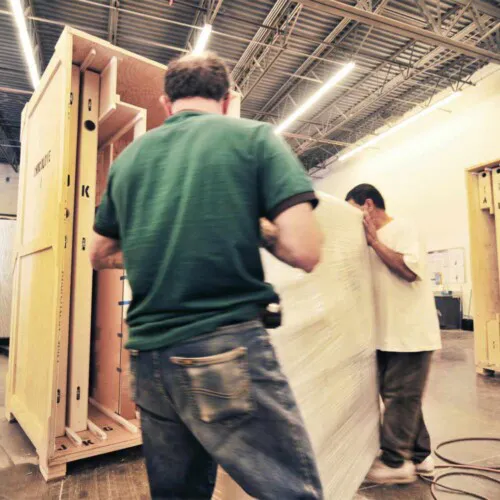
Supply chain issues may not make headlines like they did in 2021, but the impact remains. Specialty materials — especially sustainable finishes, lighting components, and digital display elements — often have limited availability or long lead times. The same goes for skilled labor in fabrication and on-site setup.
Recent shifts in global trade policy and tariffs have also influenced material costs, particularly for imported metals, hardware, and electronic components. These changes can affect pricing and delivery schedules, even for projects planned months in advance.
Starting your trade show planning early helps offset those variables. It gives your exhibit partner time to source materials strategically, adjust production schedules, and maintain control over quality. From the types of trade show booths you want to use to appropriate lighting, there are so many moving parts to consider. Early planning gives your project the flexibility it needs, and that time often makes the difference between a good exhibit and a great one.
At IGE, we’ve built lasting relationships with suppliers and production partners around the world. That network allows us to anticipate potential challenges and provide realistic timelines from the start. Transparency is central to how we work — we share what’s changing in the market so you can plan with confidence.
3. Competition for Attention Is Fierce
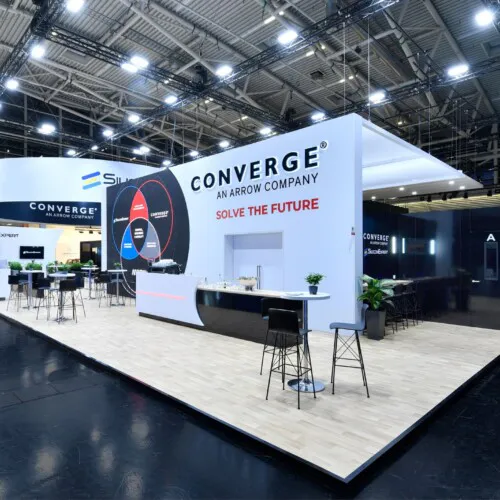
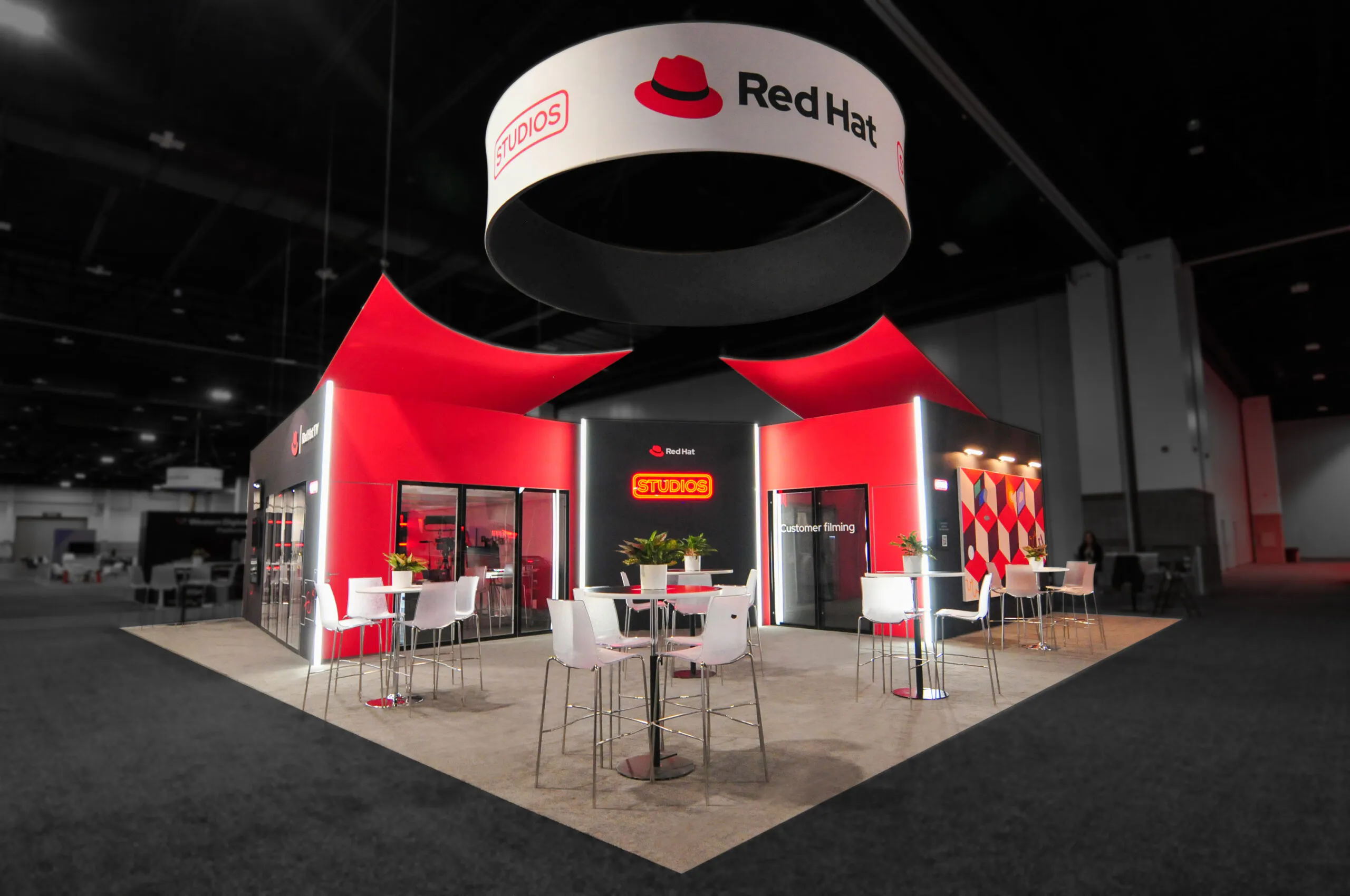
Every brand is fighting for a few seconds of attention on the show floor. The companies that stand out are the ones that use design, storytelling, and technology to create a memorable experience, and that doesn’t happen overnight. The earlier you begin your trade show planning, the more opportunity you have to collaborate on creative concepts that push boundaries. Maybe that means experimenting with materials, testing new lighting ideas, or designing a modular structure that can be used across multiple events. These kinds of ideas take time to refine, and the payoff? It’s an exhibit that feels cohesive, polished, and unlike anything else at the show. IGE’s design team approaches each project as a partnership. We spend time getting to know your goals, your audience, and how your brand should feel in a three-dimensional space. That insight shapes everything from the architecture of your booth to the lighting, flooring, and digital integration. Early planning gives our team time to make those creative choices count.4. Early Trade Show Planning Helps Keep Costs and Budgets in Check
Material and shipping costs continue to fluctuate, and last-minute changes almost always drive expenses up. By planning ahead, you have more flexibility in sourcing, shipping, and labor scheduling. You can lock in pricing earlier and spread your expenses out over time instead of facing a compressed production window where everything costs more.
Companies that begin trade show planning early often save money in less obvious ways too. They avoid rush shipping fees, secure preferred installation crews, and have time to consider modular or reconfigurable designs that can be repurposed for multiple shows.
IGE works closely with clients to identify cost-effective approaches without compromising creativity or craftsmanship. We understand that great design should be both visually stunning and strategically smart. Starting early is the simplest way to make that possible.