The Ultimate Guide to Shipping Your Trade Show Exhibit: Tips and Best Practices
- logistis
- shipping
- trade show displays
- trade show logistics
- transportation
Shipping your trade show exhibit involves careful planning, strategic partnerships, and attention to detail. From selecting a shipping provider to ensuring your display arrives on time and intact, every step requires forethought. Here’s an ultimate guide to help you navigate the logistics of shipping your trade show exhibit with confidence.
Start with a Detailed Shipping Plan
A well-thought-out plan is the backbone of successful exhibit logistics. Start with a timeline. Determine when your exhibit needs to arrive and work backward to identify the shipping deadlines. Next, account for shipping costs, insurance, customs fees (if shipping internationally), and any potential expedited fees. Lastly, choose a shipping company experienced in handling trade show exhibits, as they’ll be familiar with the unique demands and timeline constraints of the industry. Creating a comprehensive plan ensures your exhibit’s journey goes smoothly and gives you a buffer for unexpected delays.Choose the Right Shipping Method
Trade show exhibits vary greatly in size, shape, and fragility, so selecting the right shipping method is crucial:- Less-than-Truckload (LTL): Ideal for smaller, modular exhibits that don’t require a full truck. LTL shipping is cost-effective but can involve multiple stops, increasing the risk of delays or damage.
- Full Truckload (FTL): Best for larger exhibits or displays that need to be shipped in one piece. This option is typically more expensive but offers faster transit and less handling.
- Expedited Shipping: A good choice if you’re on a tight schedule. Expedited services prioritize your shipment for faster delivery but come at a higher cost.
Prepare Your Exhibit for Shipping
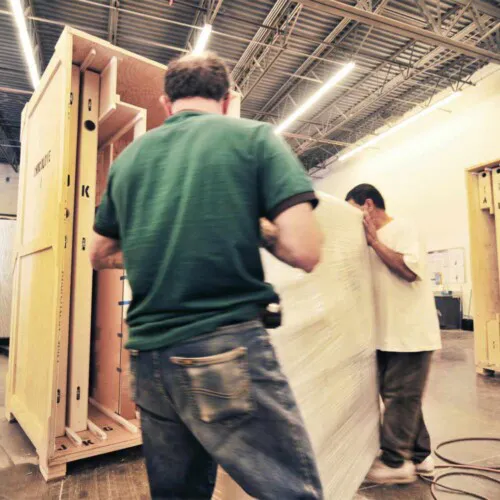
Packing your exhibit properly is essential to avoid damage. Be sure to invest in custom crates or cases, as they are designed to fit each piece of your exhibit perfectly, reducing movement and the risk of damage during transit. Also, use protective materials, such as foam padding, bubble wrap, and corner protectors. These materials can shield delicate parts from impact. Clearly label any fragile components and ensure they’re placed in secure areas of the crate. If your exhibit is modular, disassemble it as much as possible to reduce bulk and make packing easier. This is a huge selling point for modular exhibits! Finally, double check each item’s packaging, especially for high-value items or electronics, to ensure everything is fully protected.Keep Your Paperwork in Order
Shipping a trade show exhibit, especially internationally, requires meticulous attention to documentation:- Bill of Lading (BOL): This document outlines the shipment’s details, including weight, contents, and destination. Make sure it’s accurate to avoid customs or logistical issues.
- Packing List: A detailed list of each component helps with tracking and ensures all pieces arrive and depart as expected.
- Insurance Documentation: Exhibit insurance is essential in case of damage or loss. Include a copy of your insurance policy and check with your provider about coverage specifics.