Which Trade Show Exhibit Type Is Right for Your Brand?
- trade show displays
- trade show events
- trade show exhibits
In a sea of competing exhibitors at a trade show, your booth needs to do more than look good: it needs to pull people in before they've even made a conscious decision to stop.
At IGE, we've designed and built more than 5,000 exhibits worldwide. One of the most common conversations brands have before a show is this What kind of exhibit do we actually need? The answer depends largely on your audience, and it depends on everything from your budget to your ideal booth experience. Each booth type serves a different purpose, fits a different budget, and creates a different kind of brand experience.
Four primary booth types define your presence on the show floor: linear, island, peninsula, and end-cap. Each one has its own strengths, and choosing the right fit can make a significant difference in how your brand shows up at your next event.
Read More: Explore the IGE Process From Start to Finish
 Linear exhibits are an excellent choice for:
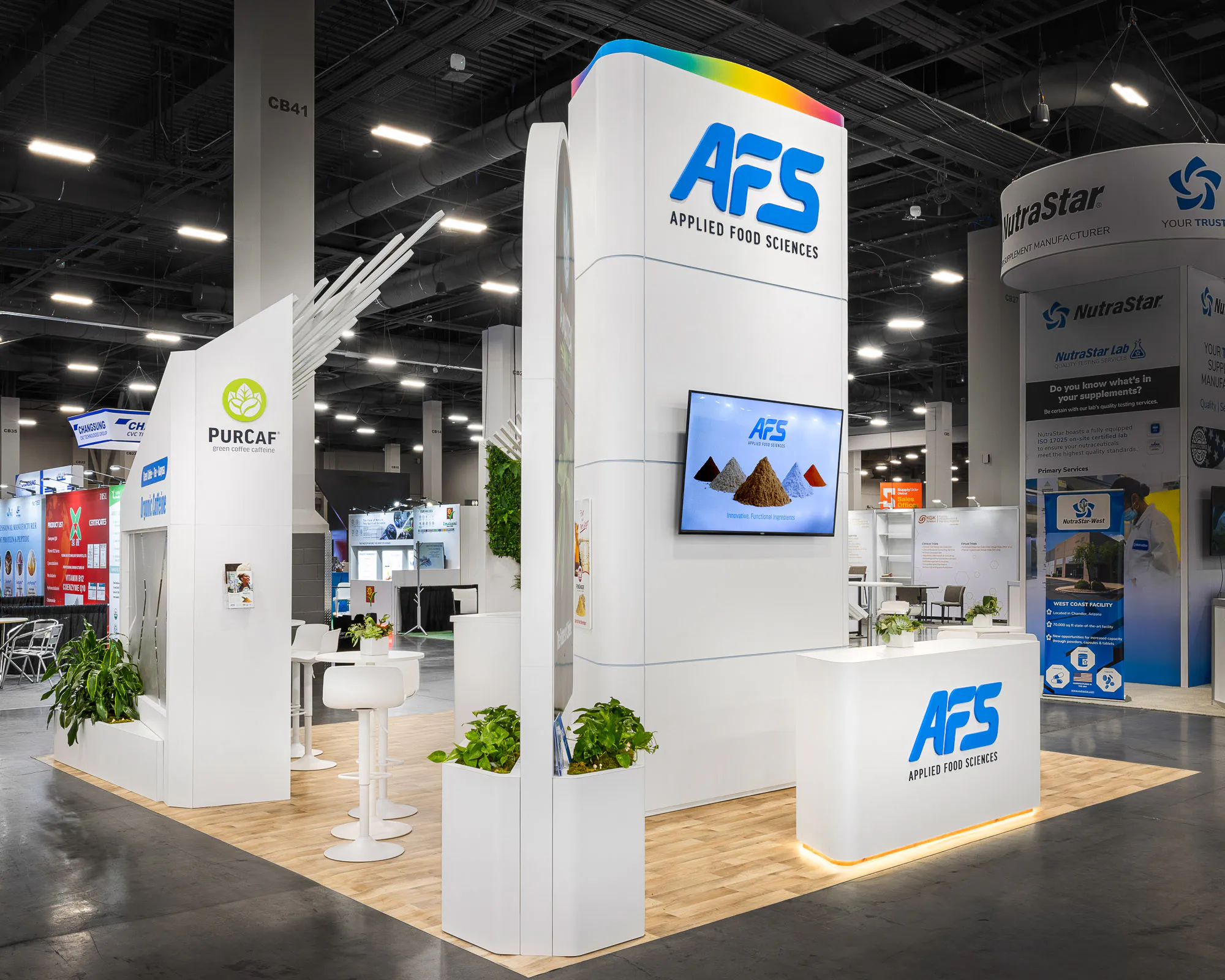 As the name suggests, island exhibits are free-standing structures with all four sides exposed to the aisle. They are typically the largest types of trade show booths and require a minimum size of 20×20 feet, but they can go much larger. Their open design offers unparalleled visibility from every direction, making them a powerhouse for attracting attention.
Island exhibits are best suited for:
As the name suggests, island exhibits are free-standing structures with all four sides exposed to the aisle. They are typically the largest types of trade show booths and require a minimum size of 20×20 feet, but they can go much larger. Their open design offers unparalleled visibility from every direction, making them a powerhouse for attracting attention.
Island exhibits are best suited for:
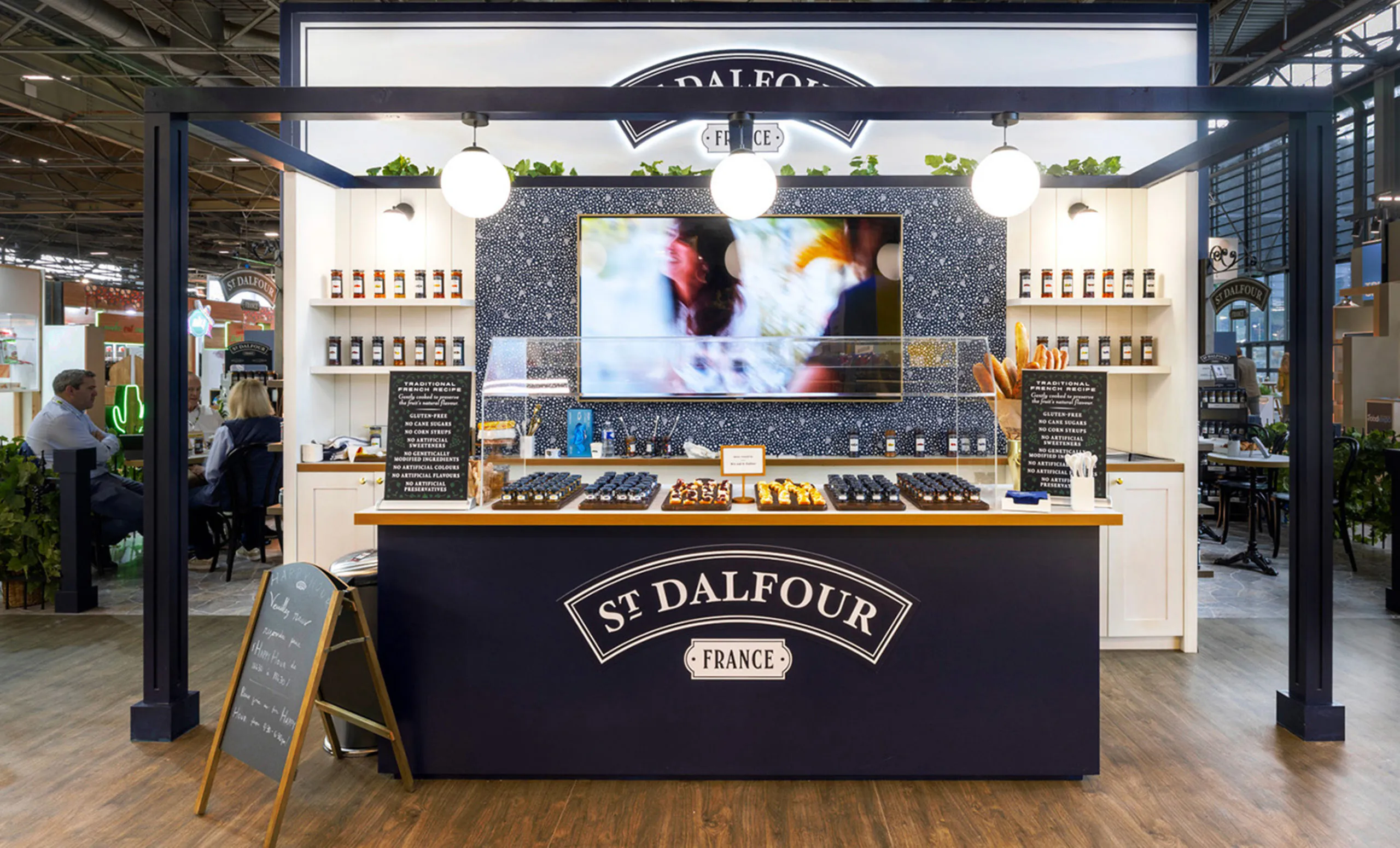 Peninsula balances the high visibility of an island booth with a more manageable budget. These types of trade show booths are typically 20×20 feet or larger and have three sides exposed to the aisle, backing up to either a linear booth or another peninsula. They essentially “jut out” into the aisle, providing ideal visibility down one main thoroughfare.
Peninsula exhibits are a strong option for:
Peninsula balances the high visibility of an island booth with a more manageable budget. These types of trade show booths are typically 20×20 feet or larger and have three sides exposed to the aisle, backing up to either a linear booth or another peninsula. They essentially “jut out” into the aisle, providing ideal visibility down one main thoroughfare.
Peninsula exhibits are a strong option for:
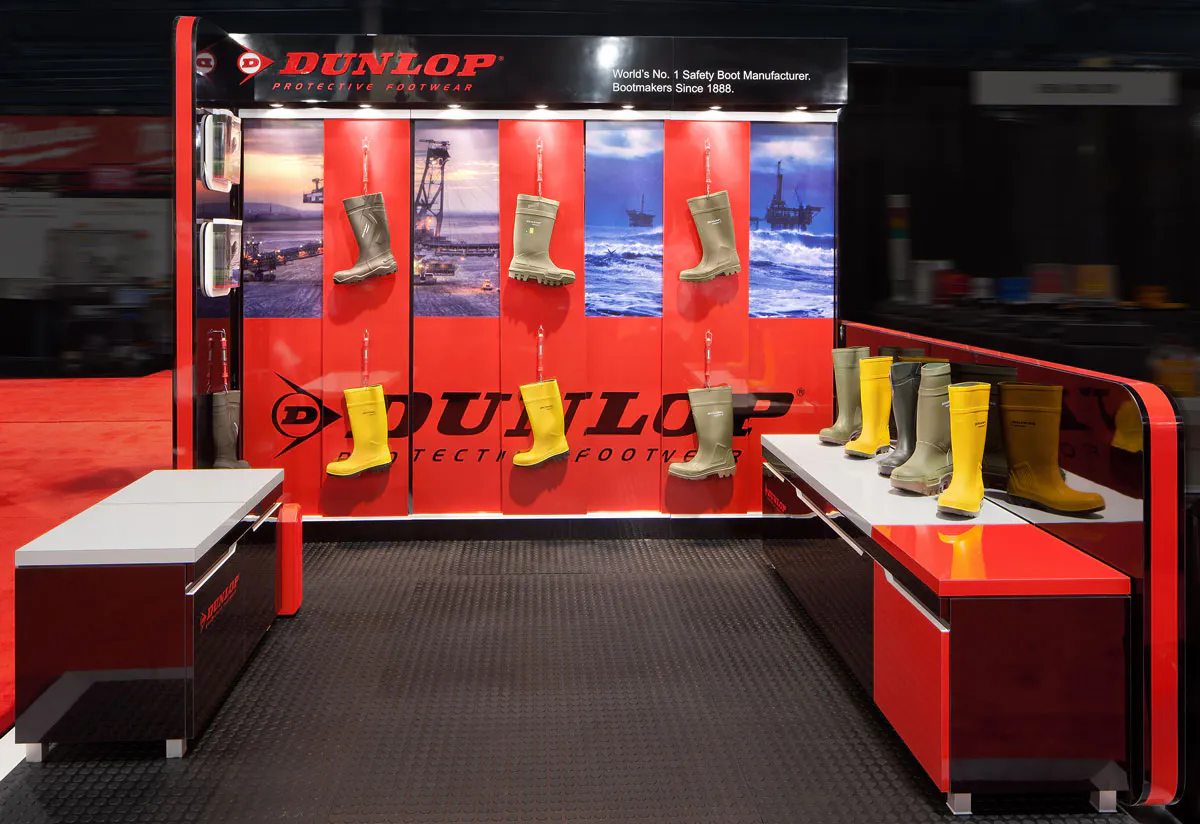 An end-cap exhibit is essentially a smaller, more economical modification of a peninsula booth. Typically 10×20 feet in size, these booths are located at the end of a row of linear exhibits, giving them three exposed sides. This strategic placement offers excellent visibility and foot traffic, like a peninsula but with a more compact footprint.
End-cap exhibits are ideal for:
An end-cap exhibit is essentially a smaller, more economical modification of a peninsula booth. Typically 10×20 feet in size, these booths are located at the end of a row of linear exhibits, giving them three exposed sides. This strategic placement offers excellent visibility and foot traffic, like a peninsula but with a more compact footprint.
End-cap exhibits are ideal for:
How the Right Trade Show Booth Engages Your Audience
Whether you’re in Denver, Orlando, Las Vegas, or Germany, standing out in the trade show realm is non-negotiable. Your exhibits and displays are often the first physical touchpoint a potential client has with your brand. An impressive booth acts as a magnet, drawing in attendees, sparking curiosity, and creating memorable experiences. The right exhibit puts your message in front of the right people, starts real conversations, and gives your team the environment they need to convert interest into leads. IGE transforms your booth from a cost into a worthwhile investment for your business.4 Common Types of Trade Show Booths
Let's dive into the specifics of the most common types of trade show booths and help you identify which one aligns best with your objectives.1. Linear Exhibits: The Versatile & Practical Choice
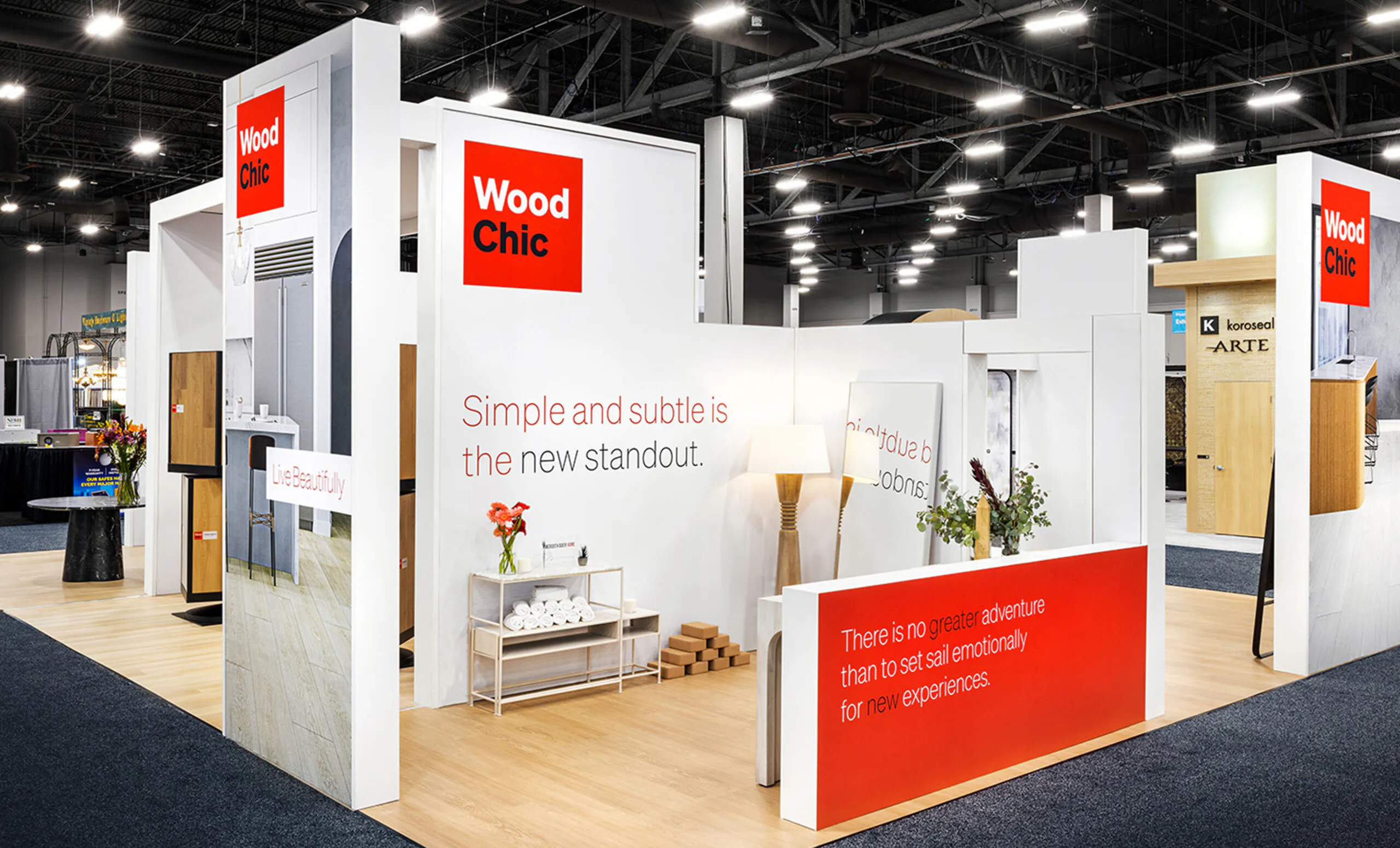
Linear exhibits are an excellent choice for:
- Small and Mid-size Businesses: They offer a cost-effective solution without compromising on presence.
- First-Time Exhibitors: Their straightforward setup and management make them ideal for those new to trade shows.
- Focused Product Displays: Perfect for showcasing specific products or services within a concise area.
2. Island Exhibits: Commanding Attention from All Sides
As the name suggests, island exhibits are free-standing structures with all four sides exposed to the aisle. They are typically the largest types of trade show booths and require a minimum size of 20×20 feet, but they can go much larger. Their open design offers unparalleled visibility from every direction, making them a powerhouse for attracting attention.
Island exhibits are best suited for:
- Well-Known Corporate Brands: They are great if your brand is looking to make a grand statement and maximize your presence.
- Interactive Displays: With ample space, they are ideal for product demonstrations, immersive experiences, and fostering engagement.
- High-Volume Engagement: Designed to handle a large flow of attendees from all directions.
3. Peninsula Exhibits: Balancing Exposure and Budget
Peninsula balances the high visibility of an island booth with a more manageable budget. These types of trade show booths are typically 20×20 feet or larger and have three sides exposed to the aisle, backing up to either a linear booth or another peninsula. They essentially “jut out” into the aisle, providing ideal visibility down one main thoroughfare.
Peninsula exhibits are a strong option for:
- Mid-size to Large Businesses: They are ideal if your company is seeking significant exposure without the larger financial commitment of a full island.
- Themed Environments: They provide enough space to create a distinct brand environment or focus on a particular product line.
- Controlled Flow: The three-sided access allows for more controlled entry and exit points compared to an island.
4. End-Cap Exhibits: Maximizing Exposure in a Smaller Footprint
An end-cap exhibit is essentially a smaller, more economical modification of a peninsula booth. Typically 10×20 feet in size, these booths are located at the end of a row of linear exhibits, giving them three exposed sides. This strategic placement offers excellent visibility and foot traffic, like a peninsula but with a more compact footprint.
End-cap exhibits are ideal for:
- Companies of All Sizes: They offer a fantastic blend of exposure and affordability.
- Product Launches/Spotlights: Great for drawing attention to a new product or key offering within a busy aisle.
- High-Impact, Cost-Effective Displays: Providing more visibility than a standard linear booth without the investment of larger exhibits and displays.
How Else Can You Impress Your Trade Show Audience?
After 30 years on the show floor, we’ve seen what moves people and what doesn’t. Several other elements can elevate your presence and leave a lasting impression:- Embrace Interactive Elements: Going beyond static displays creates memorable experiences for attendees. IGE can help you incorporate technology, hands-on product demonstrations, and engaging activities as part of modular displays or dynamic exhibits.
- High-Quality Exhibit Materials and Signs: The quality of your booth’s construction and the clarity of your exhibit signs speak volumes about your brand. Invest in durable, visually appealing exhibit materials that reflect your company’s professionalism.
- Strategize Your Booth Size: Bigger booths aren’t always better, but booth size does affect visibility, traffic flow, and design possibilities. A 10×10 exhibit should do one thing well, but a larger footprint earns its value with layered experiences, and larger setups require different considerations.
- Engaging Staff: Even the most impressive exhibit systems need charismatic and knowledgeable staff to bring them to life.