Virtual and Hybrid Trade Shows: Adapting to the New Normal
- hybrid events
- trade shows
- virtual events
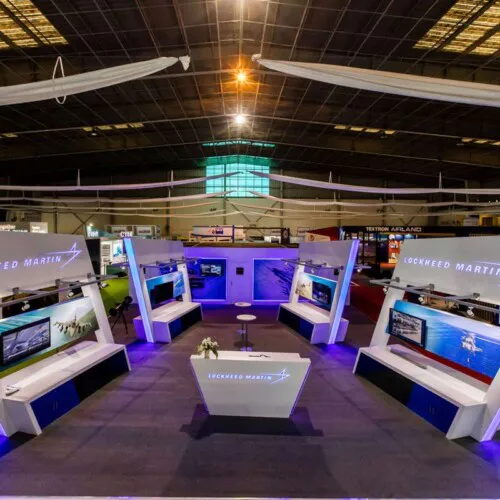
As the world continues to navigate the challenges and changes brought about by global events, such as the COVID-19 pandemic, the trade show industry has undergone a significant transformation. In-person trade shows were once the cornerstone of industry networking, product showcases and business development. As a result of the COVID-19 pandemic, in-person trade shows are being supplemented by virtual and hybrid trade show models. These adaptations not only ensure the continuity of trade shows during times of social distancing but also introduce new opportunities and considerations for businesses looking to thrive in this new normal.
The Rise of Virtual Trade Shows
Virtual trade shows have emerged as a fully online alternative to their physical counterparts. They offer a digital venue where exhibitors and attendees can interact, network and conduct business. Hosted on specialized platforms, these events simulate the experience of a physical trade show. They can include things like virtual trade show booths, live presentations and networking opportunities. The advantages of virtual trade shows include:- Global reach. Without geographical constraints, virtual trade shows can attract a wider audience. They can connect with international attendees who might not have participated in the physical event.
- Cost-effectiveness. Exhibitors and attendees save on travel, accommodation and physical booth setup costs, making participation more accessible to smaller businesses.
- Data and analytics. Virtual platforms offer advanced tracking and analytics, providing valuable insights into attendee behavior, engagement levels and ROI.
Embracing Hybrid Trade Shows
Hybrid trade shows combine elements of both in-person and virtual events, offering the best of both worlds. These events are held at a physical location while simultaneously being broadcasted online, allowing attendees to choose how they wish to participate. The benefits of hybrid trade shows are:- Flexibility and accessibility. Attendees have the option to participate in person or online, making the event accessible to a broader audience, including those unable to travel.
- Enhanced networking opportunities. Hybrid events offer various networking formats, from face-to-face meetings to virtual chat rooms, creating more opportunities for meaningful connections.
- Content longevity. Sessions and presentations can be recorded and made available online for on-demand viewing. This extends the life of the content beyond the event itself.