The Ultimate Guide to Retail Displays: Tips, Design, Benefits, and More
- Retail Environments
Creating a compelling retail display is both an art and a science. It's a strategic showcase designed to attract foot traffic, tell a brand's story, and ultimately drive sales. A well-crafted display can transform a store's environment, turning a simple shopping trip into a memorable experience. This comprehensive guide will provide you with all the essential retail display tips, from foundational design principles and benefits to the latest trends that can help your brand stand out in a crowded market.
What are Retail Displays?
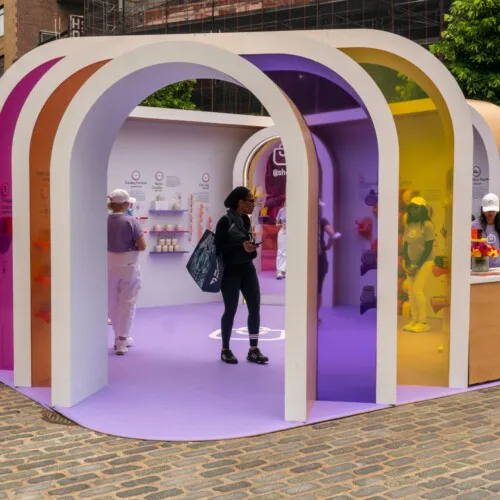
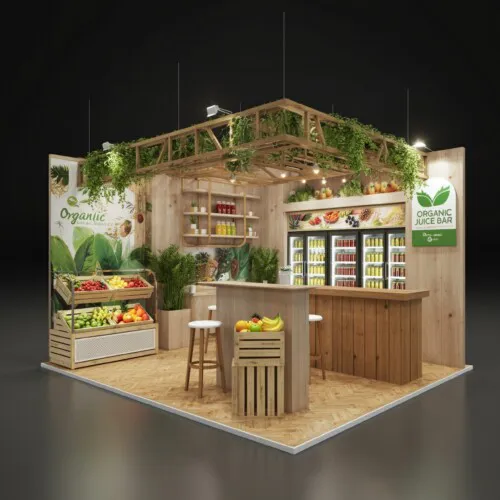
At its core, a retail display is a curated presentation of products intended to attract customer attention and encourage purchases. These displays are a key element of visual merchandising, a practice that focuses on the strategic design and layout of a store to improve the overall customer experience. They can take many forms, from simple countertop displays and freestanding racks to intricate, multi-sensory storefront showcases. The primary goal of any retail display is to create a visual statement that not only highlights merchandise but also reinforces a brand's identity and values.Why is Understanding Retail Display Tips So Important?
Understanding and implementing effective retail display tips is crucial for any business, regardless of size. While the initial goal may seem simple—to sell a product—the impact of a well-designed display extends far beyond the point of sale.- Drive Engagement and Attract Foot Traffic: A strategically placed and visually appealing retail display is a powerful tool for catching the eye of passersby and drawing them into your store. It serves as a visual magnet, effectively showcasing new arrivals, seasonal items, or bestsellers to pique customer curiosity and bring them from the sidewalk to the sales floor.
- Boost Sales and Encourage Impulse Buys: A great display is proven to boost sales. When products are presented in an appealing and organized manner, they are more likely to attract customers and encourage impulse purchases. Additionally, a well-curated display can lead to cross-selling and upselling opportunities by showcasing complementary products together, helping customers discover items they didn't know they needed.
- Enhance Brand Image and Convey Your Identity: Your retail display is a direct extension of your brand identity. A visually stunning and well-thought-out display can communicate professionalism, creativity, and a high level of attention to detail. It reinforces your brand's image and helps create a positive and lasting impression in the minds of customers, building trust and loyalty.
- Improve Customer Experience and Loyalty: A good retail display can significantly enhance the overall shopping experience. Displays provide a sense of direction and organization within a store, making it easier for customers to find what they're looking for. A captivating display can also create a sense of excitement and inspiration, transforming a routine shopping trip into a more enjoyable and memorable event.
Essential Retail Display Design Principles for Your Storefront
Creating custom retail displays that attract foot traffic is a nuanced art and science. A well-crafted retail display design not only draws attention but also entices customers to explore further, ultimately driving sales. Here are some of the key principles of effective retail display designs that can elevate your store's environment and performance.Know Your Audience:
Understanding your target market is fundamental to creating a display that resonates. What are their preferences, needs, and behaviors? Tailor your display to their lifestyle and values. For a high-end fashion retailer, this might mean elegant mannequins and sophisticated lighting, while a tech store might use interactive screens and sleek, modern designs.Tell a Story:
People connect with stories. Create merchandise displays that narrate a compelling story about your products, whether it's a seasonal theme, a lifestyle scenario, or a product journey. Storytelling engages customers on an emotional level, making them more likely to make a purchase.Use Color and Lighting Wisely:
Color is a powerful tool in visual merchandising. Bold, contrasting colors can grab attention, while a more monochromatic palette can convey sophistication. Proper lighting can enhance the overall appearance of your displays, using a mix of ambient, accent, and task lighting to create depth and focus.Keep It Simple and Organized:
A cluttered product display can overwhelm and confuse customers. Focus on a few key pieces and arrange them in an organized manner. Negative space, or the empty space around objects, is crucial for giving your display a clean, professional look and directing the customer’s gaze toward the highlighted products.Create a Multi-Sensory Experience:
Engage multiple senses to create a memorable shopping experience. Incorporate elements like scent (e.g., a subtle fragrance in the store), sound (e.g., background music that aligns with your brand), and touch (e.g., interactive product samples) to make your display more immersive.